2026 has started off unusually wet, with downpours in Bogotá and floods elsewhere in Colombia. What’s going on and how can you help?
While this is meant to be the dry season for most of Colombia, it’s instead been raining heavily. Vast swathes of the Caribbean region have flooded, and in Bogotá, it’s led to collapses in the traffic systems. That’s led to an emergency declaration by the president and frantic relief efforts (links at article end).
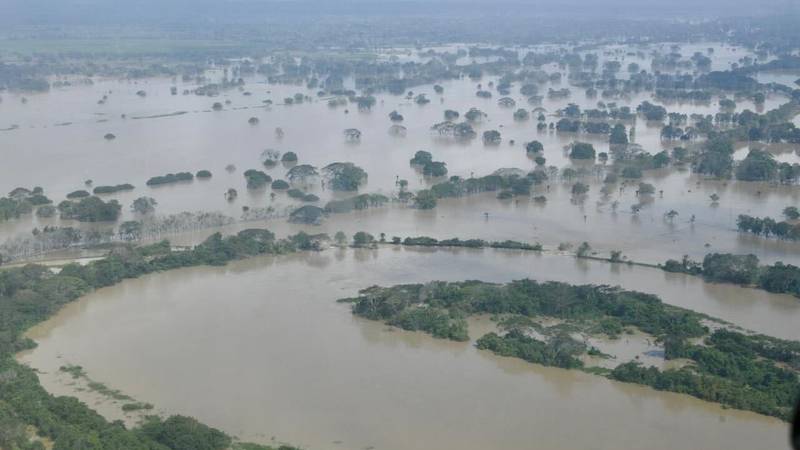
Colombian president Gustavo Petro has declared a state of emergency yet again to address the situation in the northern department of Córdoba and elsewhere. While the emergency measures were declared for Córdoba, this was later extended to 22 departments, underlining the severity of the situation.
Within the capital, flash floods have swamped roads and forced traffic to grind to a halt as well as collapsing roofs and flooding buildings. Luckily, Bogotá has so far escaped the levels of damage seen elsewhere in the nation.
Barrios such as Nicolás de Federman have been hit by hailstorms heavy enough to resemble a blizzard, leaving them carpeted in white as though snowed in while the autopista norte has been forced to close as it resembles a swamp.
One silver lining to the rainclouds is that the reservoirs will be nice and full, alleviating fears that Bogotá will be forced to return to water rationing, as happened in 2024. That will be little comfort to many who have lost everything in the floods.
Why is it raining so much?
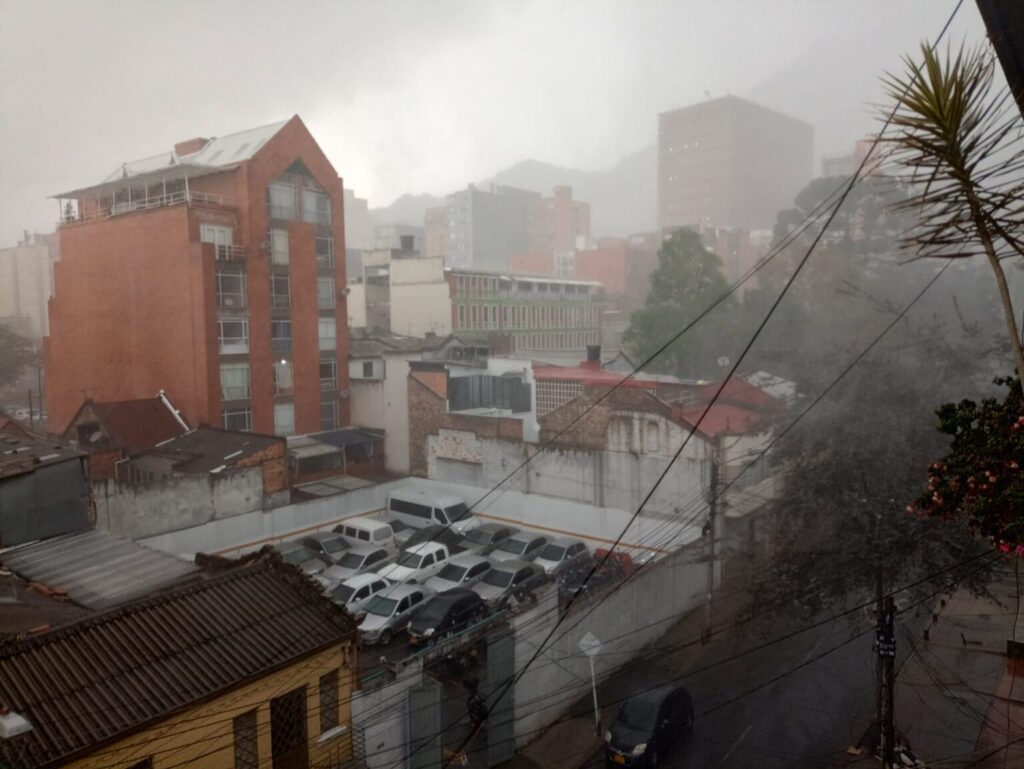
Colombia’s weather monitors, IDEAM, have explained that there are four main factors: the Madden and Julian wave; high Amazonian humidity; a lack of winds to move that humidity and la Niña-esque conditions.
All put together, these four factors combine to make a perfect storm and unseasonably high January rainfall levels. That’s continued into February and with March and April around the corner there is little relief in sight.
That’s led to half the country being put on alert for potential floods and high precipitation, which leads to all sorts of other trouble such as landslides. Colombia’s disaster relief agency UNGRD is underprepared currently, having endured corruption scandals recently.
This is meant to be the dry season, too. Bogotá in particular is meant to receive heavy rain October-December and April, not January and February. In fact, these months are normally characterised by blazing sunshine, clear skies and hot temperatures.
Adding to the confusion is the fact that we’re supposed to be heading into an El Niño cycle, meaning dry weather and lower rainfall than expected. Instead, we’ve had the precise opposite so far. While Colombia is the world’s rainiest country, it’s not meant to fall in January and February, at least not in the north.
Floods in the Caribbean
The rains have been annoying and disruptive in Bogotá, but other parts of the country have faced genuine devastation. First among those is the department of Córdoba, which has suffered widespread floods. However, over half the country has been affected.
The capital of Córdoba, Montería, is the worst hit major city in the country, with thousands of people evacuated in the city and surrounds. Over a quarter of a million people have been directly affected by the rains nationally.
Sadly, politics have come into play here too, with Petro clashing with regional governor Erasmo Zuleta over the management of the department. The pair have had a lot of differences over the years. He also said he was initially unable to land in Córdoba due to the risk of an attack.
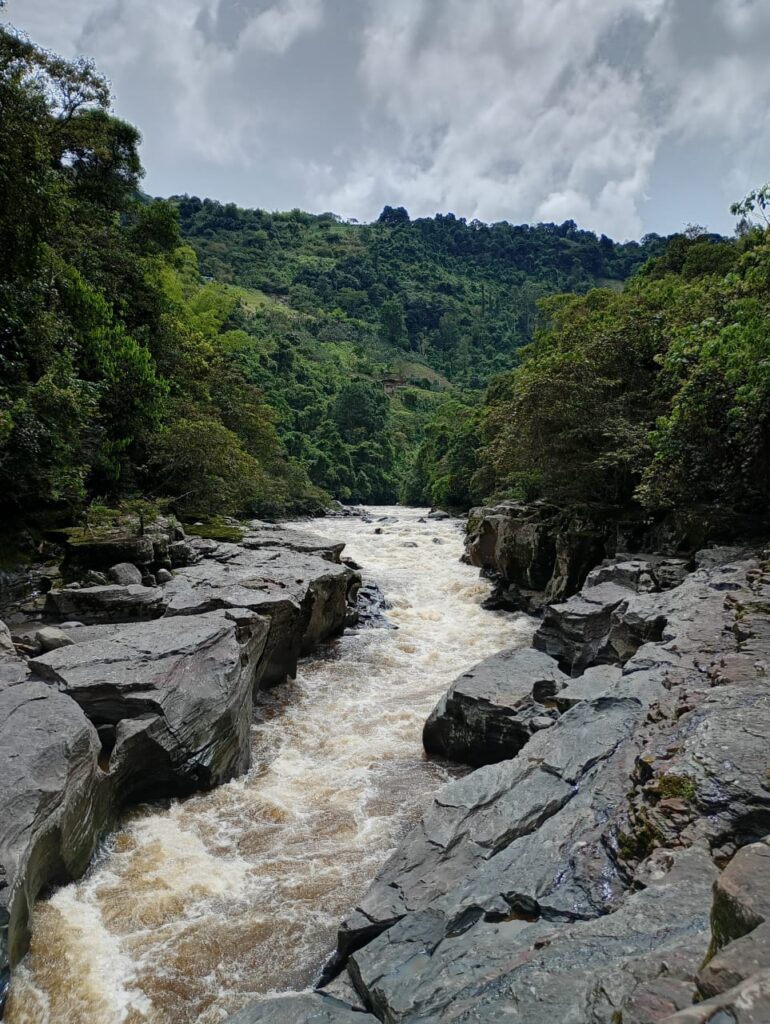
More reasonable are Petro’s claims that the situation has been exacerbated by water management systems such as reservoirs. These have diverted normal water flows and critically diminished the region’s ability to handle pressure from unusual weather patterns. Zuleta’s response is that the national government oversees the Urrá hydro plant.
The worst affected regions are on the Caribbean coast, with Uraba Antioqueño, La Guajira and Sucre joining Córdoba, but the Amazon and Pacific regions have also seen unusually high rainfall for the start of the year.
There has been flooding in Medellín, as well as the risk of landslides in hillside comunas, while coastal cities such as Cartagena have had heavy downpours and storms, affecting much-needed tourism income in high season as beaches close.
Even when the rains stop, the long term effects will take years to overcome. Already, bad actors are starting to take advantage of the situation, with desperate houseowners paying through the nose for boaters to rescue their belongings before thieves arrive.
Fields that are now underwater will take an age to fully drain and even longer to recover from the damage currently being wrought upon them. Thousands upon thousands of hectares of farmland will be unusable for the near future.
With what looks like a fraught year ahead for Colombia, this is an unwanted extra pressure to deal with and exposes the fragility of infrastructure in the face of increased climate change pressure. Whoever wins the next election, investment will be needed to avoid similar problems going forward.
The Cruz Roja Colombiana are taking donations of clothes and building materials at their Salitre centre (Av.68 #68b-31), and you can donate money directly on this link. The local government in Bogotá is also organising donation drives on this link.